
If you’ve ever searched for help with a home project and found yourself reading “remodel” and “renovation” like they mean the same thing, you’re not alone. Most people use these words interchangeably, and honestly, even some contractors do too. But when it comes to planning, budgeting, and understanding what kind of work you’re actually getting into, the difference between a renovation and a remodel matters more than you’d think.
Let’s clear it up in plain terms so you can make smarter decisions about your home.
Often Used Interchangeably, But Not The Same Thing
Here’s the difference in simple terms: a renovation restores or updates something that already exists, while a remodel changes the structure or layout of a space entirely.
A renovation involves freshening things up. Think new paint, updated fixtures, new flooring, or replacing worn materials with new ones. The bones of the room stay the same. A remodel, on the other hand, is larger in scope. Remodeling involves changing the structure – knocking down walls, reconfiguring a kitchen, adding a new bathroom, or converting a garage into a home office. A remodel changes things at a deeper level than cosmetic work alone.
That’s the core difference between renovating and remodeling, and it shapes everything from your timeline to your budget to whether you’ll need a permit.
Key Differences Between Renovation and Remodel Projects
To really understand the difference, it helps to look at what each type of work typically involves.
What a Renovation Looks Like
A renovation project is usually focused on restoring or refreshing. It improves the look and feel of a space without making structural changes. Common renovation examples include:
- Repainting walls or ceilings
- Replacing outdated light fixtures or a garage door
- Installing new countertops in a kitchen or bathroom
- Updating plumbing fixtures without moving the plumbing itself
- Laying new flooring over an existing subfloor
- Refinishing kitchen cabinets
Simple renovations like these can make a space feel new again without a massive investment.
They’re also generally faster to complete and easier to finance.
What a Remodel Looks Like
A home remodel is a larger project. It typically involves changing the structure or layout of a home in ways that a renovation doesn’t. Examples include:
- Knocking down walls to create an open floor plan
- Reconfiguring a kitchen to change the layout of a home’s cooking space
- Adding a new bathroom where none existed before
- Converting a bedroom or garage into a home office
- Moving plumbing or electrical to support a new layout
Because a remodel is larger and involves structural changes, it almost always requires a permit.
This is one of the most important practical differences between a renovation and a remodel when it comes to legal compliance and resale value.
The Permit Question: When Do You Need One?
A lot of homeowners skip over the permit conversation, and that’s a mistake. Cosmetic updates – like painting or replacing a fixture – typically don’t require permits. But the moment you start making structural changes, you must obtain a permit before work begins.
In Spokane, WA, this is especially important. Local building codes exist to protect the structural integrity and safety of your home. If a contractor does work without the proper permit and something goes wrong, you could face issues during a home sale or a costly correction process.
The cost of a building permit varies depending on the nature of the work, but it’s always worth it.
If you’re hiring a reputable contractor, they’ll handle the permit process for you. If someone tells you permits aren’t necessary for a project that involves structural changes, that’s a red flag.
Smaller projects and simple renovations usually don’t require permits. But if you’re not sure, ask before work starts.
Which One Adds More Value to Your Home?
This is the question most homeowners really want answered. And the honest answer is: it depends on what you’re doing and why.
The Return on Investment Argument
A home renovation project that focuses on high-traffic areas – kitchens, bathrooms, and curb appeal – can offer a high return on investment without a massive price tag. Simple renovations worth your budget include updating fixtures, refreshing paint, and replacing worn flooring. These cosmetic changes are often cited as among the best ways to add value to your home before a sale.
A remodel can also deliver a strong return on investment, but only when it’s done right and aligned with what buyers in your area actually want. Bathroom remodels and kitchen renovations consistently rank among the top home remodeling projects for recouping renovation costs. That said, the average cost of a remodel is significantly higher, and over-improving beyond your neighborhood’s price ceiling can actually hurt your return.
What the Experts Generally Agree On
For most homeowners, well-executed exterior improvements and strategic interior renovations offer better returns than full structural remodels. That doesn’t mean a remodel is a bad investment – it means you need to think carefully about your goals, your home’s current condition, and your local market.
If you’re renovating your home to sell it, focus on high-visibility improvements that buyers notice immediately. If you’re remodeling for your own comfort and long-term use, the value is in how you use the space, not just what it appraises for.
How to Finance a Renovation or Remodel
Understanding your financing options before you start is just as important as choosing the right contractor. There are a few common paths homeowners take.
A home equity loan lets you borrow a lump sum against the equity you’ve built in your property.
It typically comes with a fixed interest rate, which makes budgeting more predictable. A home equity line of credit works more like a credit card – you draw from it as needed, which can be useful for a larger project with phased spending. Both options use your home as collateral, so your loan-to-value ratio and debt-to-income ratio will affect what you qualify for.
Some homeowners also consider cash-out refinancing, which involves refinancing their mortgage and taking out a portion of their home equity as cash. This can make sense if interest rates are favorable, but it does reset your mortgage terms. Others use unsecured debt options like personal loans, though these typically carry higher interest rates.
For smaller projects and cosmetic updates, some homeowners pay out of pocket or use a short-term line of credit. The right choice depends on your income, existing debt, and how long you plan to stay in the home. Tax deduction rules on home improvements can also factor into your decision, so it’s worth consulting a financial advisor before committing.
Exterior Work: Renovation or Remodel?
Here’s where it gets a little more nuanced for homeowners focused on the outside of their property. Exterior work can fall into either category depending on what’s being done.
Replacing siding, updating gutters, installing new windows, or refreshing trim lighting are renovation-level projects. They restore function and improve aesthetics without changing the layout or structure of the home. If you’re weighing options on exterior surfaces, our siding repair vs. replacement guide can help you understand which approach makes sense for your home’s current condition.
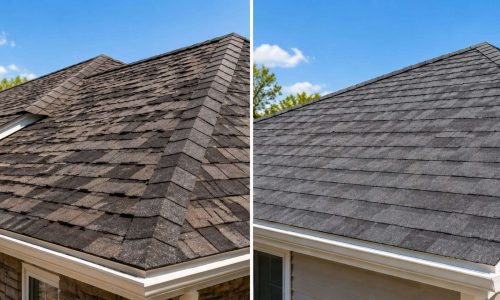
Roofing falls into similar territory. Sometimes a repair is enough. Sometimes a full replacement is necessary. To navigate that, check out our roof repair vs. replacement considerations or explore roof restoration vs. full replacement options if your roof has life left but needs some intervention.
Knowing how long residential windows typically last is also part of making smart renovation decisions. Windows that are past their useful life affect your home’s energy efficiency, curb appeal, and comfort – and replacing them counts as a renovation that adds real value.
If your home needs more significant exterior work, the team at Balsamroot Exteriors offers professional roofing replacement services in Spokane alongside a full range of exterior renovation solutions built for the Pacific Northwest climate.
Factors to Consider Before You Decide
Before committing to a renovation project or a full remodel and renovation effort, it’s worth working through a few key questions. What is the current condition of the space? What’s your realistic budget, and how does the average cost of a remodel compare to a renovation for what you’re trying to accomplish? Are you improving the home for resale, for personal enjoyment, or both?
The nature of the work, your long-term plans, and your available financing all shape the right answer. And if you’re dealing with exterior issues in Spokane’s climate, starting with durable, well-installed exterior systems before touching interior spaces is almost always the smarter sequence.
Conclusion
Now that you know the difference between a remodel and a renovation, you’re better equipped to plan your next home improvement project with confidence. Whether you renovate or remodel comes down to scope, budget, and your goals. If you’re starting with the exterior, where Spokane’s seasons do the most damage, Balsamroot Exteriors is here to help. Reach out to the team at 509-295-2326 to explore your options and get honest guidance from people who know this region.