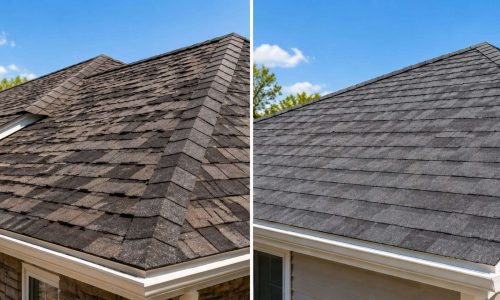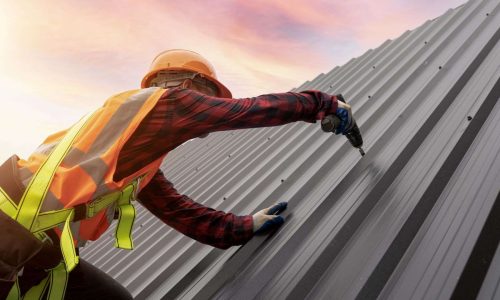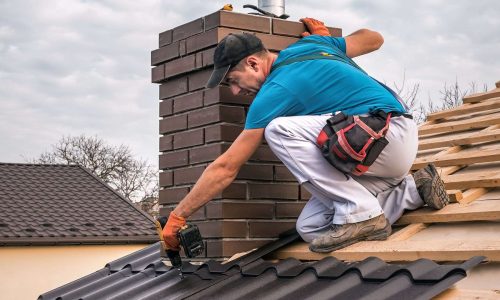

Your roof works hard every single day, shielding everything beneath it from rain, wind, heat, and cold. But like everything else, it does not last forever. The trouble is, many homeowners do not notice the warning signs until water is dripping through the ceiling or a repair bill arrives that could have been avoided.
If you have been wondering whether your roof is holding up or quietly failing, this guide is for you. Knowing the important signs of roof trouble early can save you from costly repairs, protect your home’s structure, and help you determine the best path forward.
How Long Does a Typical Roof Last?
Before diving into the signs you need a new roof, it helps to understand the baseline. Asphalt shingle roofs typically last between 20 and 30 years, depending on the roofing material, installation quality, and local weather conditions. If your roof is nearing the end of that window, even small issues deserve a closer look.
For a deeper breakdown, check out this resource on how long a typical roof lasts to better understand what to expect from your specific roofing material.
10 Warning Signs Your Roof May Need Attention
Curling or Buckling Shingles
Shingles that curl at the edges or buckle in the middle are not just a cosmetic issue. This is a sign that the asphalt shingles are aging, losing their flexibility, and beginning to deteriorate.
When shingles curl, they are far less effective at shedding water, which increases the risk of a leak during heavy rain.
Curling can also accelerate the aging process of the underlayment beneath, leading to bigger problems down the line.
Missing Shingles
Missing shingles leave sections of your roof exposed to the elements. A major storm, high winds, or even normal wear over time can knock shingles loose. One or two missing shingles may be a repair situation, but widespread missing shingles across the roof signal that it may be time for a full roof replacement.
Do not ignore gaps in your roof’s coverage. Even a small exposed area can allow water intrusion that leads to structural damage over time.
Granule Loss in the Gutters
Asphalt shingles are coated in granules that protect the bitumen layer underneath from UV exposure. As the roof ages, these granules start to shed. You might notice them collecting in your gutter or downspout.
Granule loss is one of the 10 signs roofing professionals watch closely because it signals that the shingles’ protective layer is breaking down. Once the granule layer is gone, the shingles deteriorate much faster.
Moss and Algae Growth
Moss growth and algae stains are common on roofs in moist, shaded environments. In contrast, algae stains may seem like a cosmetic problem at first, but moss and algae can work their way under shingles, lifting them and trapping moisture against the roof deck.
Over time, this moisture causes the deck to weaken and rot. If you see green or dark streaks spreading across your shingles, do not wait. Moss growth that goes unchecked can turn a manageable situation into a full replacement.
Water Stains on Ceilings or Walls
Water stains inside your home – especially on upper ceilings or near exterior walls – are a strong indicator of a roof leak. A stain does not always appear directly below the source of the leak, so the actual damage may be more widespread than it appears.
Inspect your attic for damp insulation, mold growth, or musty smells, as these are telltale signs that moisture has been getting in for a while.
Sagging Roof Sections
A wavy or uneven roofline is a serious concern. Sagging indicates that the structural elements beneath the shingles – such as the roof deck or support beams – may have been compromised by prolonged water damage or rot.
This is not a fix-it-later situation. A sagging roof may need to be replaced promptly to prevent a larger structural collapse. Contact a roofing professional as soon as you notice this issue.
Damaged or Rusted Flashing
Flashing is the metal material used to seal transitions around a chimney, skylight, or vent. When flashing cracks, rusts, or pulls away from the surface, it creates an opening for water to seep in.
Corrosion and rust on flashing are worth addressing immediately. Depending on the cause, a targeted repair may be enough, but widespread corrosion often signals that it is time to replace your roof or at least perform a thorough roof inspection.
Roof Is Nearing the End of Its Lifespan
Even if your roof looks fine from the street, age alone is a major factor. A roof is nearing the end of its useful life when it approaches or exceeds the expected lifespan of its roofing material.
Asphalt shingles in particular become increasingly brittle and crack-prone as they age.
If you are unsure where your roof stands, it is worth exploring the differences between roof restoration and replacement to understand your options.
Increasing Energy Bills
A roof that has lost its insulating effectiveness can let heat escape in winter and enter in summer. If your energy bills have been climbing without a clear explanation, your attic ventilation or roofing material may be the culprit.
Poor attic insulation tied to roof deterioration is often overlooked until it becomes a significant expense. It is a less obvious sign, but one that many homeowners notice only in hindsight.
Cracked or Broken Shingles
Individual cracked shingles can result from hail, impact damage, or age. A few cracked shingles might be a repair situation, but if the cracking is widespread across the roof, it is a different conversation entirely.
Widespread cracking means the shingles have lost their structural integrity, and no amount of patching will restore their ability to protect your home. This is when a roofing contractor will typically recommend a full replacement.
Repair or Replacement: How Do You Decide?
Not every roof problem calls for a full roof replacement. A qualified roofing contractor can help you evaluate whether roof repair or replacement is the better option based on the age of the roof, the extent of the damage, and your long-term budget.
If repair is possible and cost-effective, it is often the right first step. But when damage is widespread, or the roof is nearing the end of its lifespan, a re-roof project may deliver far better long-term value.
Does Homeowners Insurance Cover Roof Damage?
Homeowners’ insurance may help cover roof damage caused by sudden events like a major storm or hail, but policies vary. Coverage typically does not apply to damage from neglect or gradual wear. Always review your policy carefully and document roof damage before beginning any repairs, since your deductible and coverage limits will affect the final out-of-pocket expense.
What to Do If You Spot These Signs
If any of these warning signs look familiar, the best next step is a professional roof inspection. A trained eye can assess the full picture and give you an honest recommendation – whether that is a targeted repair or a complete replacement.
Balsamroot Exteriors offers professional roofing replacement services in Spokane for homeowners who need dependable, lasting solutions. If your roof is not quite ready for full replacement, it may also be worth exploring roof rejuvenation services in Spokane.
Conclusion
Your roof is one of the most important investments you can make to protect your home.
Catching the signs of roof damage early, whether it is missing shingles, moss growth, sagging sections, or granule loss in the gutter, gives you time to make informed decisions before bigger problems develop. If your roof may need attention and you are not sure where to start, reach out to the team at Balsamroot Exteriors at 509-295-2326 for an honest assessment and guidance you can trust.