
If you have noticed curling on the shingles on your roof, you are not alone. It is one of the most common roof problems homeowners deal with, and it is easy to brush off as a cosmetic issue.
But curling shingles are a clear warning sign that something deeper may be going wrong with your roof.
Understanding what causes shingles to curl – and what to do about it – can save you from a much bigger repair bill down the road.
What Does Shingle Curling Actually Look Like?
Not all curling looks the same. There are two main types to know.
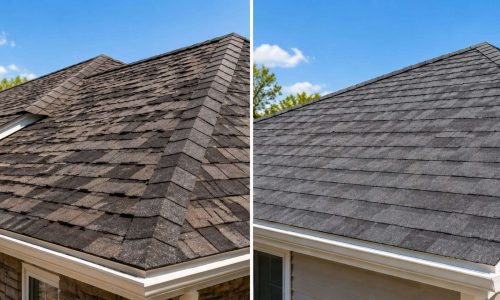
Cupping occurs when the edges of a shingle turn upward, creating a cup-like shape across the center of the shingle. Clawing is the opposite – the edges stay flat while the middle of the shingle begins to lift away from the roof deck.
Both curling and cupping signal that the roofing material is under stress. Whether your shingles are asphalt shingles, metal shingles, or another type, any visible distortion is a sign of roof wear that deserves attention.
Common Causes of Curling Shingles
There is rarely just one reason shingles begin to curl. Most of the time, it is a combination of factors working against the roofing material over time.
Poor Attic Ventilation
This is one of the leading causes of shingle curling. When a roof ventilation system is not working properly, heat and moisture get trapped underneath the shingles. That buildup of humidity warps the asphalt shingle layers and leads to premature shingle curling that cuts into the lifespan of your roof.
Attic ventilation is not just about airflow – it protects the structural integrity of your entire roof system. Without it, even new shingles may buckle and start to curl within just a few years.
Age and Normal Wear and Tear
Older shingles naturally deteriorate over time. As asphalt breaks down, the adhesive strip that bonds each shingle loses its grip, and shingles begin to warp and lift. An aging roof often shows signs of curling as the bitumen in each shingle dries out from years of exposure to weather, rain, heat, and UV energy.
If your shingles last past their expected lifespan and you are seeing widespread curling, it may be time to think seriously about a full roof replacement.
Improper Installation
Improperly installed shingles are another common cause of curling. If a second roof layer was added over an existing one without addressing the deck below, or if fasteners were placed incorrectly, the asphalt shingle layers may shift and warp prematurely.
Buckling shingles and lifted shingles shortly after installation often point to this issue. A professional roof inspection can confirm whether installation errors are the root cause.
Moisture Damage Below the Surface
Water is one of the most destructive forces acting on a roof. When moisture works its way into the roof deck, it causes the wood to swell and warp. That movement underneath the shingles usually leads to premature shingle curling and, over time, can lead to mold growth, damaged shingles, and serious damage to your roof.
Even small gaps from missing shingles can let rain and humidity work their way in, compounding the issue quickly.
Why You Should Not Ignore Curling Shingles
It is tempting to ignore curling shingles and hope the problem resolves itself. It will not. In fact, ignoring curling issues with your roof almost always leads to higher costs later.
Curled shingles allow wind, rain, and debris to reach the roof deck directly. That exposure can compromise your home insurance policy if damage occurs and your insurer determines the roof was not maintained. It can also void your roof warranty and lead to interior water damage that affects building insulation, ceilings, and walls.
How to Fix Curling Shingles
The right approach to repairing curling shingles depends on how widespread the damage is and what is causing it.
For isolated areas where just a few shingles curl at the edges, a roofing professional can reseal or replace the affected shingles using fresh adhesive and proper technique. However, if the causes of curling stem from attic airflow problems or a compromised roof deck, those issues need to be addressed first – otherwise new shingles will face the same fate.
When shingles are curling due to age or widespread roof damage, contacting a professional roofing company for a roof repair vs replacement assessment is the smartest move. A professional roof inspection will reveal whether roof repairs are enough or whether a new roof is the more cost-effective solution long-term.
To inspect your roof safely, look for signs of curling from the ground using binoculars, or schedule a roof inspection with a qualified roofer before storm season hits.
Conclusion
Curling shingles on your roof are never just a surface issue. They are a signal that your roof needs attention – whether from poor attic ventilation, age, installation errors, or moisture damage. The sooner you act, the better your chances of avoiding roof replacement and protecting your home. If you have noticed signs of curling or other roof issues, the team at Balsamroot Exteriors is here to help. Call us at 509-295-2326 to schedule your inspection today.