If you’ve been putting off a roof replacement because you’re not sure how disruptive it will be, you’re not alone. Most homeowners imagine a week of chaos, contractors everywhere, and no peace and quiet. The reality is usually much more manageable than that.
So how long does it actually take to replace a roof? The honest answer depends on a few key factors, but for most homes, you’re looking at one to three days of active work. Let’s walk through what actually happens and what can speed things up or slow them down.
The Typical Roof Replacement Timeline
Day One: Tear-Off and Inspection
The first thing a roofing crew does is remove the old material. For a standard asphalt shingle roof on a single-story home, this can happen in just a few hours. Workers strip everything down to the roof deck – the plywood or wood sheathing underneath – and haul the debris into a dumpster parked on your driveway.
Once the deck is exposed, your roofer will inspect it closely. If there are soft spots, rot, or water-damaged sections of plywood, those need to be repaired or replaced before anything goes back on top. This is a step some homeowners skip when watching DIY videos on YouTube, and it often leads to bigger problems down the road.
Day Two: Installation
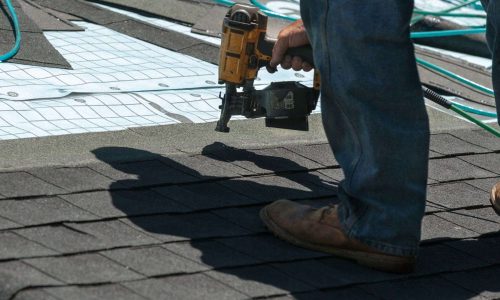
This is where the real transformation happens. The crew installs underlayment – a protective barrier that acts as a backup layer against rain – followed by the new roof shingles. Most residential projects in Spokane, WA use asphalt shingles because they hold up well against the region’s weather patterns, from heavy snowfall to hot, dry summers.
Premium roofing products from reputable manufacturers are commonly used on projects where long-term warranty coverage is a priority. These materials are built to perform, and a properly installed asphalt shingle roof can last 25 to 30 years with the right care.
Details like flashing around the chimney, proper attic ventilation, and ridge cap installation also happen during this phase. Good ventilation is not just a comfort issue – it directly affects how long your roof lasts and how well your home regulates temperature.
Day Three: Cleanup and Final Walkthrough
Most crews wrap up on the second day or early on the third. Cleanup involves removing the dumpster, sweeping the driveway and surrounding areas with a magnet to collect any stray nails, and doing a final inspection to make sure everything meets quality standards.
You’ll also go over the warranty details and any follow-up care recommendations with your contractor before they leave.
Factors That Affect How Long a Roof Replacement Takes
Roof Size and Pitch
The bigger and steeper the roof, the longer the job takes. A sprawling two-story home with multiple roof planes takes considerably more time than a simple single-story structure. Steep pitches also slow down the pace because workers need to move more carefully for safety reasons.
Existing Damage
If your roof deck has significant damage from moisture or age, repairs add time to the project. In some cases, bitumen-based moisture barriers or additional wood replacement may be needed before installation can continue.
Crew Size
A larger, experienced crew can complete a job much faster than a two-person team. Professional roofing companies typically send crews sized for the scope of the project.
Weather
Rain is the biggest wildcard. No roofer will install new shingles in wet conditions because moisture trapped under roofing materials leads to premature failure. In Spokane, WA, it’s smart to schedule your roof replacement during a stretch of dry weather. Most experienced contractors keep an eye on forecasts and plan accordingly.
Complexity of the Roof
Roofs with multiple valleys, skylights, wood shingle sections, or unusual angles take longer to complete. The more detailed work involved, the more time the crew needs to get it right.
What Happens If Something Goes Wrong Mid-Job?
Surprises do happen. A roofer might uncover hidden damage to the deck or discover that the attic space below has moisture problems that need addressing. These discoveries are not signs of a bad contractor – they’re signs of a thorough one.
The key is clear communication. A trustworthy roofing company will walk you through any unexpected findings before they do additional work. Ask for an explanation and a revised cost estimate if the scope changes.
Will You Need to Leave Your Home?
Most homeowners can stay in their homes during a roof replacement. It’s loud, and there’s activity around the perimeter of the house, so it’s not the best environment for small children or pets. But functionally, your home stays livable throughout the process.
One thing to keep in mind: from a financial standpoint, roof replacement may have tax implications if it’s part of a larger home improvement project. It’s worth consulting with a tax professional if you’re making significant upgrades.
How Long It Takes to Replace a Roof: Final Takeaway
For most homes, a roof replacement takes one to three days from tear-off to cleanup. The variables – roof size, weather, existing damage, and crew experience – can shift that window, but it rarely stretches into a week-long ordeal. If you’re ready to get a clear picture of what your project would involve and how long it would take, reach out to Balsamroot Exteriors to schedule a roofing replacement consultation.