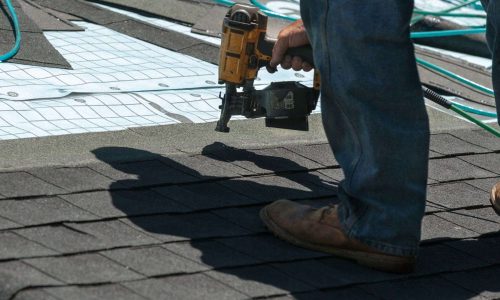
Most homeowners assume roofing is a warm-weather job. It makes sense on the surface – the sun is out, temperatures are mild, and crews can work comfortably. But what happens when your roof fails in November, or you notice missing shingles after the first big storm of the season? Waiting until spring is not always an option.
The good news is that a roof can absolutely be replaced in winter. It requires more planning and the right materials, but skilled roofers do it all the time – even in Spokane, WA, where winters can be cold, wet, and unpredictable.
What Makes Winter Roofing Different
Winter roofing is not the same as summer roofing. The core process is similar, but temperature, weather conditions, and material behavior all play a bigger role when it is cold outside.
The biggest concern most people have is whether roofing materials can handle freezing conditions. It is a fair question, and the answer depends on the product and how it is installed.
How Cold Affects Asphalt Shingles
Asphalt shingles are the most common roofing material used in domestic roof construction. They are durable and cost-effective, but they do become more brittle in cold temperatures. This means they need to be handled carefully during installation to avoid cracking.
The sealant strip on the underside of each shingle – the part that bonds shingles together and helps them resist wind – activates with heat. In colder climates, that adhesive strip may not self-seal as quickly as it would in warmer months. Experienced roofers know to hand-seal shingles using roofing caulk or compatible adhesive to compensate for this. Done correctly, the result is just as secure.
Asphalt shingle manufacturers produce asphalt shingles with specific cold-weather installation guidelines. Following those guidelines – and working with a crew that actually knows them – matters a lot.
Metal Roofing in Winter
Metal roofs are well-suited for cold-weather installation. Metal does not crack in freezing temperatures the way asphalt shingles can, and the panels are not dependent on heat-activated sealants to bond. This makes metal a reliable choice when a winter replacement is necessary.
Metal roofing is also highly resistant to snow accumulation and can shed ice more effectively than many other materials. If you are replacing a worn roof heading into a Spokane winter, a metal roof deserves serious consideration.
When Winter Roof Replacement Makes Sense
Not every homeowner has the luxury of scheduling a replacement on their own timeline. Sometimes a winter storm exposes a failing deck, or sustained wind speed strips enough shingles to compromise the entire system. In those cases, delaying the work creates more damage, not less.
Here are some situations where a winter replacement is the right call:
- Your roof has suffered storm damage that is letting water into the attic or living space
- Ice dams are forming at the eaves because of poor building insulation or a failing roof system
- You have active leaks near the rain gutter line, around flashing, or at valleys
- Your insurance claim has been approved and the replacement needs to happen now
- Shingle loss or bitumen degradation has left the roof deck exposed to rain, ice, or debris
Waiting in any of these scenarios risks structural damage, mold growth, and escalating repair costs. A responsible roofer will tell you the same thing.
What a Good Winter Roof Installation Looks Like
The process of replacing a roof in winter follows the same core steps as any other season. The differences are in the details.
Material Storage and Handling
Asphalt shingles need to be kept warm before installation. Responsible crews store materials indoors or in heated spaces so the shingles are pliable when they hit the roof. Cold, stiff shingles are harder to work with and more likely to crack if not managed properly.
Deck Preparation
Before any new shingles go down, the roof deck needs to be clean, dry, and free of snow, ice, or debris. Any water left under new materials can cause problems down the line, including rot and premature failure. This step is non-negotiable regardless of season.
Hand-Sealing Shingles
As mentioned earlier, the adhesive strip on asphalt shingles needs help in cold weather. A qualified crew will hand-seal every shingle using roofing-grade caulk or adhesive to ensure they are locked down against wind and winter weather. This protects the roof until temperatures rise and the sealant can fully cure.
Protecting Against Ice Dams
A proper winter installation includes attention to ice dam prevention. Ice dams form when heat escapes through the attic, melts snow on the roof, and that water refreezes near the eaves and behind the dam. The right underlayment, combined with proper attic insulation, significantly reduces this risk. A good crew will not skip this step just because it is cold.
What About Warranty Coverage?
This is one of the most common concerns homeowners raise about winter roofing. Will the warranty still apply?
Manufacturer warranties – including those from Owens Corning and DECRA – remain valid when the product is installed according to the manufacturer’s specifications. The key is hiring a contractor who follows those guidelines precisely. If hand-sealing is required in cold weather and the crew skips it, that could void coverage. But if the job is done right, your warranty is fully intact.
Always ask your roofer about cold-weather installation procedures before work begins. A trustworthy contractor will not hesitate to explain exactly what they do differently in winter and why.
Should You Worry About a Flat Roof in Winter?
Flat roofs require a different approach year-round, and winter adds some complexity. Water drainage is more critical on a flat roof because standing water that freezes can stress the membrane and surrounding structure. If a flat roof replacement is necessary in winter, it needs to be handled by someone with specific experience in low-slope roofing systems.
The underlying concern with any roof in winter is moisture. Whether it is rain, melting snow, or ice, keeping water out during the installation window is critical.
Can a Roof Be Replaced in Winter?
Winter roofing is not ideal, but it is entirely doable when handled by the right crew. If your roof is failing or has been damaged, waiting until spring can make things worse and cost you more. Balsamroot Exteriors has the local experience and professional standards to handle winter roof replacements the right way – from proper material handling to full warranty compliance. If you are ready to stop worrying about what is happening above your ceiling, learn more about our roofing replacement services or call us to schedule an inspection.