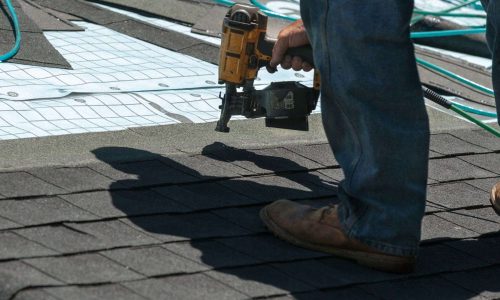
If you’ve got a failing roof and winter has already arrived, you might be wondering whether you have to just wait it out. The short answer is no – you don’t. Winter roof replacement is not only possible, but in many cases, it’s the smarter move compared to letting damage sit for months.
Let’s break down exactly how it works, what to watch out for, and why waiting until spring isn’t always the right call.
Why People Assume Winter Roofing Isn’t Possible
The concern usually comes down to weather and materials. Cold temperatures, snow, and freezing conditions can affect how roofing materials behave – and that’s a fair thing to wonder about. But the assumption that roofing simply can’t be done in winter is more myth than fact.
Experienced roofers work in cold conditions regularly. The key is knowing how different materials respond to lower temperatures and adjusting the process accordingly.
How Cold Weather Affects Roofing Materials
Asphalt Shingles and Temperature
Asphalt shingles are one of the most common materials used in domestic roof construction, and they do have temperature sensitivities. The bitumen in asphalt shingles can become brittle in very cold conditions, which makes them more prone to cracking if handled carelessly.
Most manufacturers, including Owens Corning, specify a minimum temperature for installation – typically around 40 degrees Fahrenheit. Below that threshold, extra care is needed. Shingles should be stored in a warm environment before installation so they remain pliable and easier to work with on the roof deck.
The sealant strip on asphalt shingles also needs heat to activate properly. In winter, a roofer may apply additional adhesive or caulk by hand to ensure each shingle bonds correctly – this is standard cold-weather practice, not a workaround.
Metal Roofing in Winter
Metal roofing actually performs very well in cold weather. Products like DECRA metal roofing and DECRA roofing systems are designed to withstand extreme temperature swings, and metal itself doesn’t become brittle in the same way asphalt does.
If anything, a metal roof can be an excellent choice for a winter installation because the material is more forgiving in freezing conditions. Snow sheds off metal surfaces more efficiently as well, which is a long-term advantage in areas that see significant winter precipitation.
Flat Roofs and Cold Weather
Flat roof systems require a bit more attention during winter installation. The adhesives and membranes used on flat roofs are sensitive to temperature, and applying them in very cold or wet conditions can compromise the seal.
That said, a skilled roofer knows how to manage these conditions – including using weather-appropriate products and timing the work around rain or snow.
What Roofers Do Differently in Winter
Good roofers don’t just show up in December and work the same way they would in July. A professional crew adapts their process to match the conditions.
Here’s what that typically looks like in practice:
- Material storage – Shingles and adhesives are kept warm before and during installation to prevent brittleness or poor bonding.
- Hand-sealing – Because the sun isn’t available to activate the sealant strip on asphalt shingles, roofers apply adhesive manually beneath each shingle.
- Careful handling – Cold roof shingles are more fragile, so experienced crews work methodically to avoid cracking.
- Weather monitoring – Work is paused during active snow or rain. Ice on the roof deck creates a serious safety hazard and can affect installation quality.
- Deck inspection – The roof deck is checked carefully for moisture or ice before new materials go down.
None of these steps are extraordinary – they’re just what professional winter roofing looks like when done right.
Does Winter Roofing Affect Your Warranty?
This is one of the most common concerns homeowners bring up, and it’s worth addressing directly. Your roof warranty depends heavily on proper installation, not the season. If a certified roofer follows manufacturer guidelines – including cold-weather installation protocols – your warranty remains fully intact.
Manufacturers outline cold-weather procedures specifically because they know roofs get replaced year-round. Following those procedures is what protects your warranty, not waiting for warmer weather.
Cutting corners during a winter install – skipping hand-sealing, rushing through deck prep, or using materials that weren’t properly stored – is what voids warranties. A professional crew won’t do any of those things.
When You Shouldn’t Wait Until Spring
There are situations where delaying a roof replacement creates far more risk than the cold weather itself.
Active leaks don’t pause for winter. Water getting into your home during the coldest months can cause damage to insulation, drywall, and framing at a rate that makes a spring repair far more expensive than a winter replacement.
Wind damage is another common trigger. If a storm has left your roof compromised, leaving it exposed for weeks or months while waiting for spring is genuinely risky – especially if you’re in an area that sees ongoing winter wind events.
In short, if your roof needs to be replaced, replacing it now protects your home from compounding damage. Waiting is rarely the financially sound choice.
Choosing the Right Roofer for Winter Work
Not every roofing contractor has experience with cold-weather installation, and that matters. You want a team that understands how temperature affects materials like asphalt shingles, metal roofing systems, and flat roof membranes – and knows how to adjust accordingly.
Ask directly: Have they done winter installations before? Do they follow manufacturer cold-weather guidelines? How do they handle the sealant and adhesive process when temperatures drop? The answers will tell you a lot.
Can You Replace a Roof in Winter?
Winter roof replacement is real, proven, and often the right call when your roof can’t wait. With the right materials, proper technique, and an experienced crew, a winter install can be just as durable and warranty-compliant as one done in summer.
If you’re dealing with a damaged or aging roof and don’t want to risk months of further deterioration, reach out to Balsamroot Exteriors to learn more about your roof replacement options and get an honest assessment of what your home actually needs right now.