
Your roof does a lot of quiet, thankless work. It sheds rain, holds back the cold, and keeps everything underneath it dry and intact. But like any part of your home, it does not last forever, and the warning signs that something is wrong are not always obvious until real damage has already set in.
Knowing how to tell if your roof needs to be replaced can save you thousands of dollars in repairs, prevent interior water damage, and protect your home from the kind of problems that spiral fast. This guide breaks down what to watch for, when to call in a professional, and how to make a smart decision about roof repair vs. full replacement.
Why the Age of Your Roof Matters More Than You Think
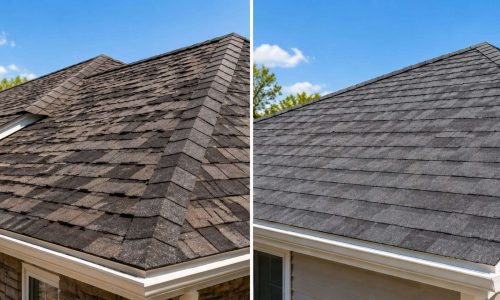
One of the most important signs homeowners overlook is simply how old their roof is. Asphalt shingle roofs last anywhere from 20 to 30 years depending on the quality of materials, installation, and how well the roof has been maintained over time. If your roof is older and showing signs of wear, that alone is a reason to pay closer attention.
Asphalt shingle roofs are the most common type of roof in residential construction, and while they are durable, they are not immune to the effects of time and climate. In Spokane, where winters bring heavy snow loads and summers bring intense heat and UV exposure, roofing material tends to wear faster than it might in milder regions.
If the roof is nearing the end of its expected lifespan, repairs may only delay the inevitable.
Knowing the age of your roof is step one in deciding whether your roof needs maintenance, repair, or a full roof replacement.
7 Signs Your Roof May Need to Be Replaced
1. Your Shingles Are Curling or Buckling
Curling shingles are one of the most visible signs of damage on a roof. When the edges of shingles begin to curl upward, or the middle starts to buckle, it means the shingles on your roof are no longer lying flat and doing their job properly.
This kind of warping usually happens when asphalt shingles age, absorb moisture, or experience prolonged heat exposure. Once a shingle starts to curl, it becomes far more vulnerable to wind, rain, and debris. A few curling shingles may be repairable, but if this is happening across large areas of the roof, it is likely time for a new roof.
2. You Have Missing Shingles
A missing shingle might seem minor, but it exposes the roof deck and the layers beneath it to direct weather. Even a single gap can allow water to work its way under adjacent shingles and into the structure of your home.
Missing shingles after a windstorm are common, and one or two can often be replaced. But recurring missing-shingle issues or widespread loss across multiple areas of the roof are signs that your roofing material has deteriorated beyond simple repair.
3. You See Granules in Your Gutters
Asphalt shingles are coated with granules that protect them from UV rays and help shed water.
Over time, especially as a roof ages, those granules begin to loosen and wash off. You will often find them collecting in your rain gutter or scattered on the ground near your downspouts.
Some granule loss is normal on a newer roof as loose material settles. But heavy or consistent granule loss on an older roof may need serious attention. Once the granules are gone, the underlying bitumen layer is exposed, and the shingles begin to break down much faster.
4. Your Roof Is Showing Signs of Moss, Algae, or Mold
Moss and algae growth on a roof is more than a cosmetic issue. Moss holds moisture against the surface of your shingles, and over time, that moisture works into the material and causes it to break down. In shaded or damp areas, this process can accelerate quickly.
Algae often appears as dark streaking across the roof surface. Mold can develop in the attic beneath a damaged roof if moisture gets in and is not addressed. These are important signs that your roof may need professional evaluation. Some treatments can help slow biological growth, but if the damage to your roof is already structural, cleaning alone will not fix it.
5. You Notice a Roof Leak or Water Stains Inside
If you see water stains on your ceiling or walls, or if you notice signs of water in your attic after rain, that is a roof leak until proven otherwise. A leak does not always point to a single obvious hole. Water travels, and the point where it enters the roof and the point where it appears inside your home are often far apart.
Damaged roof flashing around chimneys, skylights, and vents is one common source of leaks.
Flashing is the metal material used to seal joints and transitions on a roof, and when it corrodes or pulls away, it creates an entry point for water. A professional roof inspection will identify not just where the water is showing up, but where it is actually getting in.
Early signs of a leak caught quickly can sometimes mean the difference between a small repair and extensive water damage to framing, insulation, or drywall.
6. The Roof Is Sagging
A sagging roofline is never a good sign. It can mean the roof deck has been compromised, possibly due to long-term moisture exposure, rot, or structural issues. This is not a situation where a patch will do the job.
If you notice any part of your roof dipping or bowing, that area may need to be replaced immediately, and in some cases the damage extends deeper into the home’s structure. A sagging roof is one of the most urgent common warning signs that a full replacement is necessary.
7. Your Energy Bills Have Increased Unexpectedly
This one surprises a lot of homeowners, but a damaged roof can reduce your home’s ability to retain heat and cool (conditioned) air. If your attic insulation has been compromised by moisture, or if there are gaps allowing outside air in, your HVAC system has to work harder to keep your home comfortable.
An older roof may be contributing to rising energy costs without any visible signs of damage from the outside. This is one of the more subtle early signs that your roof may be underperforming.
Roof Repair vs. Full Replacement: How to Decide
Not every roofing problem means you need to replace your roof entirely. The decision between roof repair or replacement comes down to a few key factors.
If the damage is isolated to a small area, the rest of the roof is in good condition, and the roof is relatively new, repair is often the right call. But if the roof is nearing the 20-year mark, if there are multiple problem areas, or if you have had repeated repairs that keep failing, a full replacement is almost always the more cost-effective path.
A qualified roofing contractor can help you understand whether your roof needs targeted repair or whether it is time to replace your roof altogether. Trying to patch a roof that needs full replacement is like putting a bandage on a problem that keeps growing.
What About Home Insurance?
If your roof was damaged by a storm, falling debris, or another covered event, your home insurance policy may cover part or all of the cost of replacement. It is worth reviewing your coverage and understanding your deductible before you assume you are on the hook for the full expense.
Keep in mind that most insurance company policies draw a distinction between damage caused by a covered event and deterioration caused by age or neglect. Documenting the damage thoroughly with photos and getting a professional roof inspection report can strengthen your claim and give your adjuster the evidence they need to evaluate it fairly.
When to Schedule a Roof Inspection
Do not wait for a visible leak or obvious damage-have your roof professionally inspected. Roof maintenance is most effective when problems are caught before they become expensive.
A good rule of thumb is to inspect your roof at least once a year, particularly after major storms.
If your roof is older than 15 years, a professional roof inspection every year makes good sense.
A trained roof inspector will check areas of the roof that are hard to see from the ground, assess the condition of flashing, look for damaged shingles, and give you a clear picture of where things stand.
Knowing whether your roof needs minor attention or significant work means you can plan ahead rather than react in a crisis.
How Balsamroot Exteriors Can Help
At Balsamroot Exteriors, the goal is to protect your roof and keep your home safe for years to come. Founded by Spokane native Steven “John” McMullen, the company brings more than a decade of hands-on experience and genuine local knowledge to every project.
Whether you are trying to know if you need a simple repair or a full replacement, the team at Balsamroot approaches every roof with an honest assessment, not a sales pitch. They understand the regional climate, the common signs of wear that Spokane homes face, and how to prevent roof problems before they become home repair nightmares.
If your roof is showing signs that need attention, you can reach Balsamroot Exteriors at 509-295-2326 to learn more about roofing replacement and rejuvenation services.
Conclusion
Your roof is a critical part of your home, and catching problems early is always less expensive than dealing with them later. From curling shingles and granule loss to sagging sections and a persistent roof leak, the signs are there if you know what to look for. Do not ignore them.
Schedule a roof inspection with a trusted local roofing contractor, understand what you are working with, and make a decision that protects your home and your budget for the long haul.