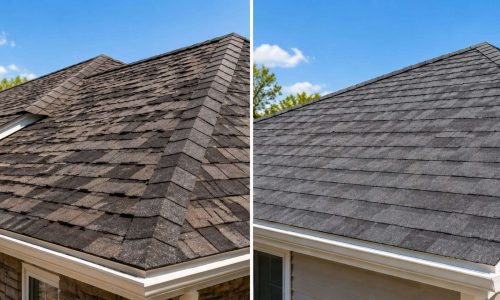
Most homeowners don’t think about their roof until something goes wrong. A water stain on the ceiling, a shingle in the yard after a storm, or a gutter pulling away from the fascia – suddenly the roof is all you can think about. But here’s the truth: your roof has been aging whether you noticed or not.
Knowing how often to replace a roof is one of the most practical things a homeowner can understand. It saves you money, protects your home from water damage, and keeps small problems from turning into catastrophic failure.
How Long Does a Roof Actually Last?
The lifespan of your roof depends almost entirely on the materials used during construction. There’s no single number that applies to every home, but there are reliable ranges that can guide your planning.
Asphalt shingles are the most common roofing material in residential construction, and for good reason – they’re affordable, widely available, and perform reasonably well in most climates. A standard three-tab asphalt shingle roof typically lasts 20 to 25 years. Architectural shingles, which are thicker and more durable, can push that to 30 years under the right conditions.
Metal roofing is on the other end of the spectrum. A properly installed metal roof can last 40 to 70 years, making it a strong long-term investment for homeowners who plan to stay in their home for decades.
Wood shingles and shakes tend to last around 25 to 30 years, though they require more maintenance and are more vulnerable to moisture, moss, and algae than other materials.
Flat or low-slope roofs often use bitumen-based systems, which typically last 15 to 25 years depending on the number of layers and the quality of waterproofing applied.
What These Numbers Assume
Those lifespans assume decent installation, reasonable maintenance, and average weather exposure. In Spokane, WA, where winters bring ice, heavy snow loads, and freeze-thaw cycles, and summers bring intense ultraviolet exposure and heat, roofs often age faster than the manufacturer’s warranty suggests. That’s not a flaw in the materials – it’s just the reality of this climate.
Signs Your Roof May Be Past Its Prime
Age alone doesn’t always tell the whole story. A 22-year-old asphalt shingle roof in good shape may outlast a 15-year-old roof that was poorly installed or never inspected. Here’s what to watch for beyond the calendar.
Shingles That Are Curling, Cracking, or Missing
Healthy roof shingles lie flat and hold their shape. When they start to curl at the edges, crack across the surface, or go missing entirely, the roof is telling you something. This kind of wear leaves the underlying deck exposed to moisture, and once water gets under the shingles, damage spreads quickly.
Moss and Algae Growth
Moss and algae on your roof aren’t just cosmetic issues. Moss holds moisture against the surface of the shingles, which accelerates breakdown and can lead to leaks over time. Algae typically shows up as dark streaking and is most common on north-facing roof sections that stay shaded and damp. In Spokane’s climate, this is worth monitoring every year.
Granules in the Rain Gutter
Asphalt shingles are coated with granules that protect against ultraviolet radiation and add durability. As shingles age, those granules loosen and wash into the gutters. If you’re finding significant buildup of gritty, sand-like material in your gutters, your shingles are wearing out faster than they may appear from the ground.
Water Stains on the Ceiling or in the Attic
A water stain on your ceiling is almost never isolated to the ceiling itself. By the time moisture shows up inside your home, it has usually already worked its way through the roof deck and insulation. Checking your attic regularly for signs of moisture, mold, or daylight coming through the boards is one of the most effective early warning systems you have.
Sagging or Soft Spots
A roof deck that feels spongy underfoot, or a roofline that sags visibly from the street, is a serious warning sign. This usually indicates long-term moisture infiltration that has weakened the structural components beneath the shingles. At this stage, replacement is almost certainly the right call.
Flashing Failure Around the Chimney and Vents
Flashing is the metal material used to seal transitions between your roof and vertical surfaces like the chimney, skylights, or vent pipes. When flashing cracks, lifts, or corrodes, it creates a direct pathway for water to enter. This is one of the most common sources of leaks in older roofs, and it’s often overlooked during casual visual inspections.
How Often Should You Schedule a Roof Inspection?
Most roofing professionals recommend a formal inspection at least once a year, with an additional inspection after any major storm involving hail, high winds, or heavy ice accumulation.
Hail damage in particular can be deceptive. The impact may not create an immediate leak, but it fractures the granule coating on asphalt shingles in ways that dramatically shorten the remaining lifespan. Insurance experts, including those familiar with home insurance policies from major carriers, recommend documenting hail damage promptly – policies often have strict timelines for filing storm-related claims.
A professional roofer can catch problems that aren’t visible from the ground, including issues with flashing, subtle deck damage, and moisture intrusion in the attic. It’s a small investment that can prevent much higher costs down the road.
Does Roof Rejuvenation Change the Equation?
Roof replacement is a high cost, and not every aging roof needs to be torn off and rebuilt from scratch. For some homeowners with asphalt shingle roofs that are aging but structurally sound, roof rejuvenation can be a legitimate middle-ground option.
Products like roof rejuvenation treatments work by reintroducing oils into dried-out asphalt shingles, restoring some of the flexibility and waterproofing they’ve lost over time. Asphalt naturally contains oils that keep shingles pliable, but ultraviolet exposure and weather wear cause those oils to break down over the years. Rejuvenation treatments can extend the useful life of qualifying roofs, potentially pushing off a full replacement by several years.
That said, rejuvenation is not a fix for roofs with significant structural damage, widespread shingle failure, or advanced moisture problems. It works best as a proactive maintenance step when a roof is aging but not yet failing.
Balsamroot Exteriors offers roofing rejuvenation as part of its service lineup and can help you determine whether your roof is a good candidate or whether a full replacement makes more practical sense.
What Does Roof Replacement Actually Cost?
Cost is the question most homeowners have in the back of their mind throughout this entire conversation. It varies based on materials, roof size, complexity of the job, and local labor rates. As a general frame of reference, asphalt shingle replacement on an average-sized home typically falls in the range of $8,000 to $20,000, while metal or premium materials will run higher.
The honest answer is that delaying a necessary replacement almost always costs more in the long run. A leak that goes unaddressed leads to attic damage, building insulation replacement, mold remediation, and ceiling repairs – expenses that pile up fast and aren’t always covered under a standard home insurance policy.
Home insurance typically covers sudden and accidental damage from storms but not general wear or age-related deterioration. Insurance expert Mandy Sleight has written extensively on the nuances of roof coverage and how policy language around “maintenance” versus “damage” affects claims. Understanding your policy before you need it is worth the effort.
When Is It Definitely Time to Replace Your Roof?
Some situations leave little room for debate. If your asphalt shingle roof is past the 20 to 25-year mark, if you’re seeing widespread shingle failure, active leaks, mold growth in the attic, or structural sagging, replacement is the responsible path forward.
Trying to extend the life of a roof that has reached the end of its cycle through repeated repairs is a bit like putting new tires on a car with a failing engine. You’re spending money without solving the underlying problem, and you’re increasing the risk of catastrophic failure at the worst possible time – usually during the heaviest storm of the season.
Protecting Your Investment After Replacement
Once you’ve invested in a new roof, protecting it becomes the priority. Keep debris cleared off the surface, especially after fall windstorms that leave branches and leaves sitting against the shingles. Make sure your rain gutters are clean and draining properly, since backed-up water along the roofline is a leading cause of premature wear and ice dam formation in winter.
Trim back any tree branches that hang over the roof. Overhanging limbs deposit debris, hold moisture, and create a risk of physical damage during storms.
Schedule that annual inspection and take it seriously. A roofer who can catch a flashing problem or a small section of deteriorating shingles before it becomes a structural issue is worth every penny.
How to Know When It’s Time to Replace Your Roof
Your roof won’t last forever, but knowing what to watch for and when to act makes the difference between a planned replacement and an emergency repair. If your roof is approaching 20 years, showing visible signs of wear, or you simply haven’t had it looked at in a while, this is the right time to take stock. Balsamroot Exteriors offers roofing replacement services for Spokane homeowners who want honest assessments and dependable work. Give us a call to schedule your inspection.