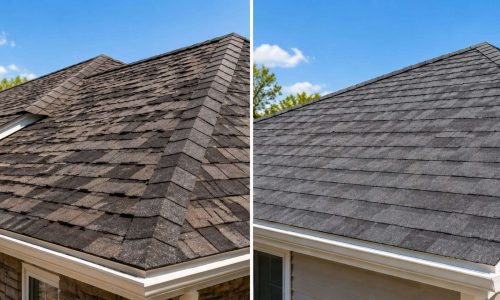
Most homeowners know they have a roof. Fewer know what is actually going on underneath those shingles. There is a layer of material sitting between your roof shingles and the deck – and it does far more work than most people realize.
That hidden layer is called roof underlayment. If you have ever wondered what it is, how it works, or why your roofer keeps mentioning it, this guide breaks it all down in plain language.
What Is Roof Underlayment?
Roof underlayment is a water-resistant or waterproof material installed directly onto the roof deck before shingles, metal panels, or any other outer covering goes on. Think of it as a secondary line of defense against rain, moisture, and wind-driven water.
The roof deck – the flat structural surface made of wood or composite panels – is what gives your roof its shape and support. Without underlayment protecting that deck, a single damaged shingle could allow water to seep through and cause serious damage to your attic, insulation, and interior walls.
In domestic roof construction, underlayment is considered a fundamental component, not an optional upgrade. Most building codes require it, and nearly every roofing warranty – including those from major manufacturers like GAF Materials Corporation – depends on it being properly installed.
The Main Types of Roof Underlayment
Not all underlayment is the same. There are three common types you are likely to encounter, and each has different strengths depending on your climate and roofing system.
Felt Underlayment (Tar Paper)
Felt underlayment – sometimes called tar paper – is one of the oldest materials used in roofing. It is made from an organic compound base, typically paper or fiberglass, saturated with bitumen or asphalt to create a water-resistant barrier.
There are two common weights: lighter 15-pound felt, and heavier 30-pound felt. The heavier version offers more durability and better protection, but also more weight on the roof structure.
Felt has been a standard in roofing for decades because it is cost-effective and widely available.
The downside is that felt can absorb moisture over time. It can also tear during installation if the wind picks up before shingles are laid. In climates with significant weather variability – like what Spokane, WA sees across four distinct seasons – this matters.
Synthetic Underlayment
Synthetic underlayment is made from polymer materials like polypropylene or polyethylene. It is lighter than felt, stronger, and more resistant to tearing in wind and rain. Many roofers now prefer it because it lies flatter on the deck and is easier to walk on during installation.
Synthetic materials also resist moisture absorption better than organic felt. Because they are not made from hydrocarbon-saturated paper, they hold up better under heat and UV exposure during installation. This is especially relevant when a project spans multiple days, and the roof deck is exposed to the elements.
Rubberized Asphalt Underlayment
Rubberized asphalt underlayment is the premium option in the category. It uses a mixture of asphalt and rubber polymer, often with an adhesive backing, making it a self-sealing product that conforms tightly to the roof deck. This type is categorized as bituminous waterproofing – meaning it creates a near-impermeable barrier against water.
Because of its adhesive properties, rubberized asphalt is particularly effective around high-risk areas like eaves, valleys, and penetrations where water is most likely to collect or back up. It is heavier and more expensive than synthetic or felt options, but the level of waterproofing it provides is significantly higher.
Why Roof Underlayment Matters
It is easy to overlook something you cannot see once the job is done. But underlayment is doing critical work every day, and here is why it deserves your attention.
It Protects the Roof Deck From Moisture
Even the best asphalt shingle installation will have small vulnerabilities. Wind can lift a shingle temporarily. Rain can drive water sideways under a ridge. Ice and snow can melt and refreeze, creating ice dams that push water back up under the eaves.
Underlayment acts as the last barrier before that moisture hits the wood deck. Without it, vapor infiltration can lead to rot, mold, and structural damage – problems that are far more expensive to fix than the cost of quality underlayment in the first place.
It Is Required by Building Code
Most jurisdictions require underlayment as part of any roofing project. This is not just a formality.
Building codes exist because the research and real-world failure data support underlayment as essential to long-term roof performance.
Skipping it or cutting corners with low-quality material is not just risky – it can void your warranty and create compliance issues if you ever sell your home or make an insurance claim.
It Adds a Layer of Weather Protection During Installation
Roofing projects do not always complete in a single day. Underlayment is installed first, which means the deck has some protection even before a single shingle goes down. In a region like
Spokane, where the weather can shift quickly, this matters.
If rain arrives mid-installation, a properly laid synthetic or rubberized asphalt underlayment keeps the deck dry. Felt can offer temporary protection too, though it is more vulnerable to wind and water absorption in extended exposure.
It Supports a Valid Roofing Warranty
Major roofing product manufacturers specify which underlayment must be used for their warranties to remain valid. GAF Materials Corporation, for example, outlines underlayment requirements in their warranty documentation. Using the wrong type – or skipping it entirely – can leave you without coverage when you need it most.
A reputable roofer will always match the underlayment to the shingle system and document the materials used so your warranty stays intact.
What Roof Maxx and Rejuvenation Products Mean for Underlayment
Roof Maxx is a roofing rejuvenation product that uses a plant-based oil mixture to restore flexibility to aging asphalt shingles. It extends shingle life by replenishing the oils that dry out over time. However, it works on the shingle surface – not the underlayment beneath.
If your shingles are being treated but your underlayment is aged, brittle, or compromised, surface-level rejuvenation will not solve the underlying waterproofing issue. This is worth discussing with your contractor so you understand what is and is not being addressed by any roof treatment.
How Long Does Underlayment Last?
Underlayment lifespan varies by material. Felt underlayment, while affordable, tends to degrade faster – especially under heat and prolonged moisture exposure. Synthetic underlayment generally lasts longer and handles temperature swings better.
Rubberized asphalt products often carry longer performance ratings and are designed to remain flexible through freeze-thaw cycles. In most cases, underlayment is replaced when shingles are replaced, since removing the old shingles gives full access to the deck.
If you are unsure about the condition of your current underlayment, a professional roof inspection is the clearest way to find out.
Frequently Asked Questions
Does every type of roof need underlayment?
Most roofing types – including asphalt shingles, metal, and tile – require some form of underlayment. The specific type and installation method vary by roofing material, roof pitch, and local building code requirements.
Can underlayment get wet before shingles are installed?
Synthetic and rubberized asphalt underlayments handle temporary rain exposure reasonably well. Felt underlayment is more vulnerable – extended exposure to rain or standing water can cause it to wrinkle, absorb moisture, or deteriorate before shingles are laid.
Is underlayment part of siding work, too?
Underlayment is specific to roofing. Siding construction uses a different type of moisture barrier called a weather-resistant barrier or house wrap. The two serve similar protective functions but are designed for different parts of the building envelope.
What Roof Underlayment Means for Your Next Roof Replacement
Roof underlayment is not a detail – it is a foundation. It protects the deck, supports your warranty, satisfies building code, and gives your roof a fighting chance against moisture and weather. If you are due for a roof replacement and want to understand exactly what goes into a properly built roof, reach out to Balsamroot Exteriors at 509-295-2326 or explore our roofing replacement service to learn how we approach every project with the care and craftsmanship your home deserves.